

Checking your payroll software against the 2026–27 ATO fortnightly PAYG withholding rates involves confirming that your software uses the latest tax tables, reviewing employee tax settings, and comparing withholding amounts against official Australian Taxation Office (ATO) calculations. Incorrect settings can affect employee wages, tax withheld and payroll reporting.From 1 July 2026, Australian businesses must apply…
Month: November 2026
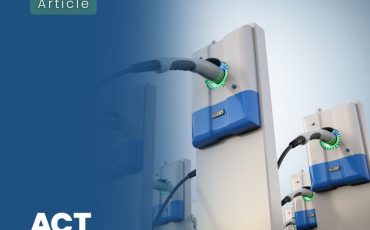
FBT Exemption Electric Vehicles: Why Plug-In Hybrids Generally No Longer Qualify From 1 April 2025
The FBT exemption electric vehicles rules changed on 1 April 2025, meaning plug-in hybrid electric vehicles generally no longer qualify for the Fringe Benefits Tax (FBT) exemption in Australia. Businesses providing these vehicles to employees for private use may now need to pay FBT unless their existing arrangements qualify for transitional relief.Changes to the FBT…

FBT Electric Vehicles: How the ATO EV Home Charging Rate Works
FBT Electric Vehicles rules allow Australian employers to calculate eligible home charging expenses using the Australian Taxation Office (ATO) rate of 5.47 cents per kilometre from 1 April 2026. This simplified method helps businesses manage electricity costs without separately measuring every charge at an employee’s home. For businesses providing electric cars through employment arrangements or…
EV FBT Exemption: Why an Exempt Electric Car Can Still Create a Reportable Fringe Benefits Amount
An estimated tax return calculator can help you understand your potential income tax bill or tax refund, but the result depends on accurate financial information. Before using one, reconcile your business income, business expenses, tax withheld, bank transactions and other relevant records. Missing income or incorrectly recorded expenses can affect your estimated tax position.Essential Bookkeeping…
