

Published on 16 Jul 2026
Why cash flow management is important for budgeting comes down to one practical issue: your business needs enough cash available when bills and other commitments are due. An annual budget may show expected income, operating expenses and profit, but it will not protect your business from cash shortages unless it also considers when money will enter and leave your bank account. A clear cash flow plan connects your annual targets with customer payments, supplier payments, payroll, loan repayments and unexpected costs. This gives business owners a more realistic view of their financial situation and supports better business decisions throughout the year.
Why Is Cash Flow Management Important for Budgeting?
Cash flow management is important because a business can report a profit while still struggling to pay bills. Profit measures financial performance over a period, while cash flow shows whether enough money is available to meet immediate cash needs. A cash flow budget helps you plan for differences between cash inflows and cash outflow. It can show when late payments, higher operating costs or major debt payments may place pressure on the business, giving you time to improve cash flow before the problem becomes urgent.
Struggling to avoid cash shortages?
Schedule a complimentary consultation with us today to map payments, bills and cash gaps.
A Cash Flow Budget Connects Plans with Daily Reality
An annual budget usually sets expectations for sales, expenses and growth plans, but a cash flow budget focuses on timing. It shows when future income may be received and when your business must pay suppliers, employees, lenders and other service providers. This timing matters because accounting methods affect when many businesses report income from customer payments. Cash-basis income is reported when received rather than when work occurred; accruals-basis income is reported when earned, so payment terms can create a gap between financial records and money in the bank account. Choosing the best GST reporting method for your business can also influence how clearly you see and manage these timing differences.
How Does a Cash Flow Statement Support Your Budget?
A cash flow statement records how money moved through the business during a set period. It helps you understand the cash flow patterns behind your annual results and shows which parts of the business generated or used cash.
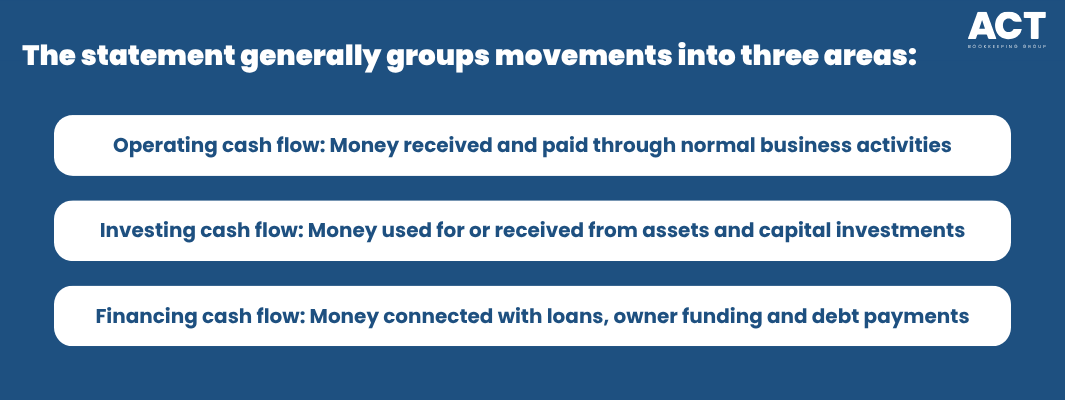
Positive operating cash flow usually means the main business activities are generating enough cash to support regular commitments. Negative cash flow may be temporary, but ongoing negative cash flow can point to pricing, collection, spending or financial management issues that require attention.
How Can Cash Flow Forecasting Improve Financial Decisions?
Cash flow forecasting estimates when money is likely to enter and leave the business in the coming weeks or months. It helps you assess whether enough cash will be available for operating expenses, capital expenditure, loan repayments and unexpected expenses. A forecast also supports scenario planning by showing how different changes may affect your financial health. You can review the possible impact of lower sales, slower customer payments, higher supplier costs or planned investment opportunities before making a commitment.
Your Bookkeeper Can Build a Practical Cash Flow Plan
Your bookkeeper can begin by reviewing accurate financial records, including your income statement, unpaid invoices, supplier bills, payroll records and bank account transactions, and by following a structured BAS preparation process to keep GST and lodgements accurate and current. This information creates a reliable starting point for identifying cash flow patterns and estimating future income and expenses. The cash flow plan can then map expected cash inflows and payments across the year. Your bookkeeper can align these amounts with your annual budget, schedule payments around expected receipts and highlight periods when the business may need more cash or a stronger cash reserve.
Healthy Cash Flow Depends on Timing, Not Just Profit
Healthy cash flow means your business has enough cash available to meet its obligations without regularly delaying payments or relying on emergency funding, including staying on top of ATO obligations and effectively managing any ATO payment plans for overdue BAS. It does not necessarily mean that every month will produce positive cash flow, particularly when the business makes a planned investment or pays a large annual cost. The key is understanding whether a cash shortfall is expected, manageable and temporary. When business owners can see upcoming cash needs, they can prepare contingency plans, adjust spending, review payment terms or build cash reserves before financial pressure affects the business.
How Can Small Businesses Avoid Cash Shortages?
Small businesses can avoid cash shortages by improving the speed of customer payments and maintaining control over cash outflow. Clear invoices, consistent follow-up processes and suitable payment terms can help bring money into the business faster.
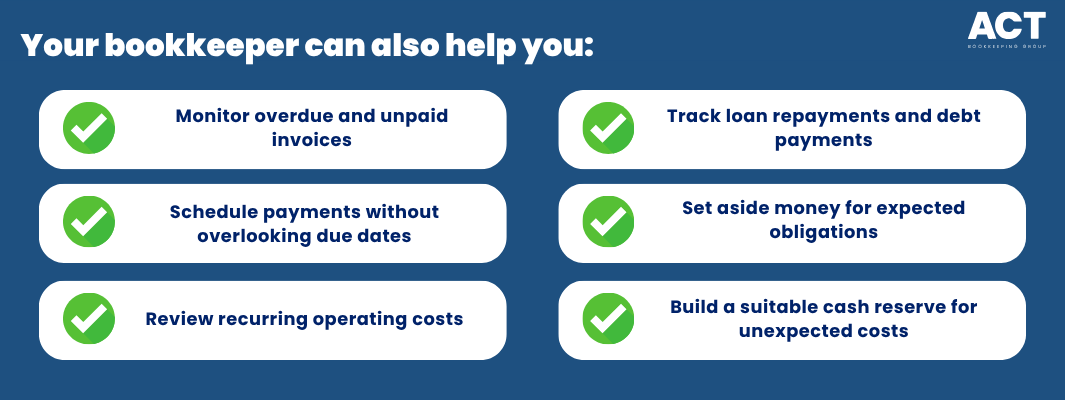
Some businesses may consider early payment discounts where the cost is reasonable, and the faster payment provides a clear benefit. However, discounting should not reduce margins to the point where it creates a different cash flow problem.
Cash Reserves Improve Financial Resilience
Building cash reserves can help your business stay afloat during quieter periods, economic downturns or unexpected disruptions. A reserve provides a financial buffer when customer payments slow, equipment needs urgent attention or operating costs rise without warning. The right reserve amount will depend on your business finances, regular expenses and level of risk. Your cash flow forecast can help you set a realistic target based on actual cash needs rather than choosing an amount without considering your financial resources.
Rolling Forecasts Keep the Annual Budget Relevant
An annual budget is based on the information available when it is prepared, but your financial situation may change during the year. Rolling forecasts update expected income, expenses and cash flow using current information, allowing your plan to remain useful. Your bookkeeper can compare actual results with the budget and identify changes in cash flow patterns. Regular reviews help you respond to late payments, rising operating expenses, new growth plans or changes in customer demand while there is still time to adjust.

Better Bookkeeping Helps You Manage Cash Flow Effectively
Accurate bookkeeping gives you the information needed to manage cash flow effectively. When transactions are current and accounts are reconciled, you can see how much money is available, what customers owe and which supplier payments or other commitments are approaching. Organised records also make it easier to separate day-to-day operating costs from capital expenditure and financing cash flow. This gives you a clearer view of financial performance and reduces the risk of making decisions based on incomplete or outdated information.
Cash Flow Planning Supports Sustainable Growth
Sustainable growth requires more than increasing sales because growth can create additional pressure on cash flow. A growing business may need to pay for more staff, materials, stock, equipment or services before receiving more money from customers. A cash flow plan helps you assess whether the business can support these commitments from its own resources or whether additional funding may be required. It also helps you protect financial stability by ensuring that growth plans do not prevent the business from meeting existing obligations.
We’re more than bookkeeping experts
As part of ACT Tax Group, we offer complete accounting and business advisory services tailored to your needs.
How ACT Bookkeeping Can Help with Cash Flow Planning
We maintain financial records, track customer payments and explain how money moves through your business. We support bookkeeping, invoicing, accounts payable, accounts receivable, payroll, Goods and Services Tax (GST) records and Business Activity Statement (BAS) services, with regulated work handled by appropriately registered tax practitioners. Book a consultation with ACT Bookkeeping to discuss your annual budget and cash flow needs. We can help you build a practical cash flow budget, maintain organised records and introduce clear processes that support your day-to-day operations and broader financial management.

Build Your Annual Budget on Strong Cash Flow
Cash flow management gives your annual budget a practical foundation by showing whether your business will have enough money at the right time. It connects expected financial performance with customer payments, operating expenses, debt commitments, investment plans and the cash reserve needed for unexpected expenses. Start with reliable financial records, prepare a cash flow forecast and review it regularly against actual results. With a clear plan and ongoing bookkeeping support, you can avoid cash shortages, improve financial resilience and keep your business running smoothly while working towards sustainable growth.
