Published on 10 Apr 2026
Using cloud bookkeeping to tag and track deductible vs non‑deductible expenses makes it much easier to see what deductions you can claim and what must be left out of your tax return. When your expenses are coded correctly, you can more easily identify eligible deductions, avoid confusion at tax time, and support more accurate tax reporting. This matters whether you are a sole trader or running a growing small business with more complex income and costs.
Why Clear Deduction Tagging Matters
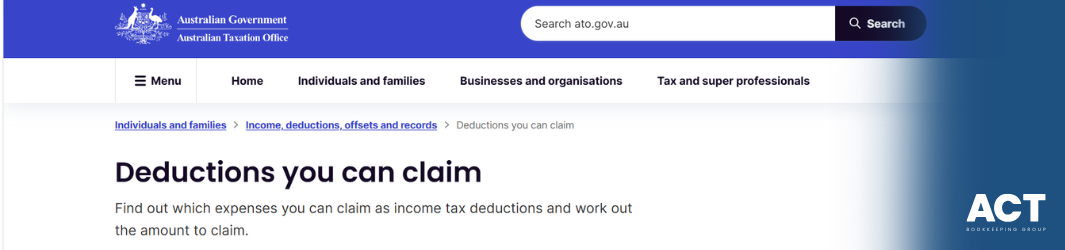
The ATO has clear rules about what deductions you can claim, which expenses are tax deductible, and how they must be directly related to your business or work duties. Your assessable income and the income year you are claiming for will also affect the tax deductions you can claim. Cloud bookkeeping helps you follow these different rules in a practical way by building them into your day‑to‑day records.
With the right setup, you can use cloud bookkeeping to tag things like work related expenses, home office expenses, travel expenses, and other business expenses without needing to be a tax expert. This makes it easier to work with an accountant or registered tax agent, who can check your eligibility criteria for each claim. Together, you can make sure you claim tax deductions correctly and support them with good records.
Are your cloud‑bookkeeping tags set up to match ATO deduction rules?
Schedule a complimentary consultation with us today to review your chart of accounts and align tags with ATO requirements.
What Makes an Expense Deductible or Non‑Deductible?
An expense is generally deductible when it is directly related to earning your assessable income, is not private or domestic, and is not capital in nature unless a specific rule allows a deduction. Tax deductible expenses can include many business expenses, work related expenses, and some self-education costs, as long as they are connected to your work duties or business purposes. Non‑deductible expenses are usually personal costs or amounts that relate to private use rather than income.
For example, you may be able to claim working-from-home expenses if you meet the ATO’s requirements, keep the required records, and use an approved method such as the fixed rate method or actual cost method where applicable. On the other hand, purely personal costs like family holidays are not deductible, and everyday food and groceries are usually private unless a specific exception applies. Cloud bookkeeping makes it easier to keep these separate, so you do not double dip or mix private use and business purposes.
How Does Cloud Bookkeeping Help Separate These Expenses?
Cloud bookkeeping gives you a simple way to tag and track expenses as deductible or non‑deductible in real time. Instead of waiting until tax time to sort things out, you can tag each cost when it happens. This makes it easier to claim deductions correctly and understand which expenses reduce your taxable income, especially when you understand cloud bookkeeping basics for small business owners.
Because everything is stored online, both you and your accountant can review the same data, wherever you are. You can quickly see which expenses are tax deductible, which are private, and which are a mix of both work and personal. That makes it easier to lodge your tax return with confidence.
How Should You Structure Your Cloud Chart of Accounts for Deductions?
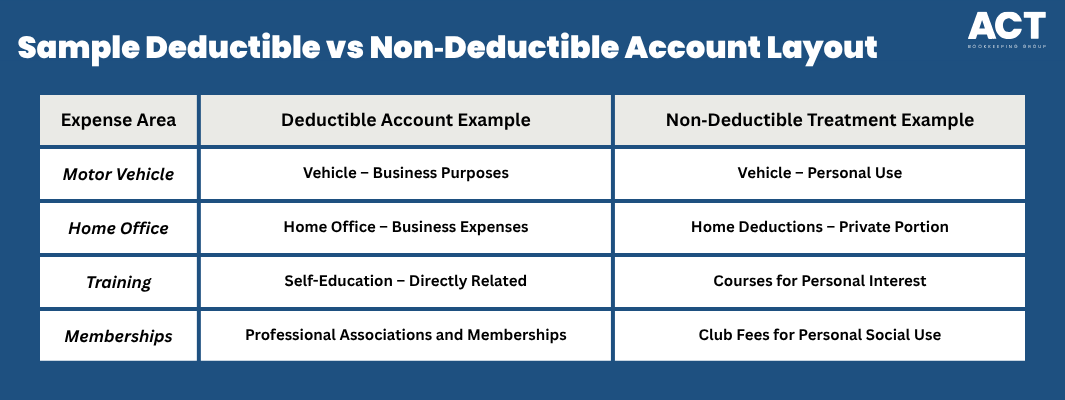
A well‑planned chart of accounts is the backbone of using cloud bookkeeping for tax deductions. You can set up specific accounts for tax deductible expenses, such as home office expenses, travel expenses, self-education, and professional memberships. You can also create other accounts for non‑deductible or personal expenses, so they never accidentally reduce your taxable income.
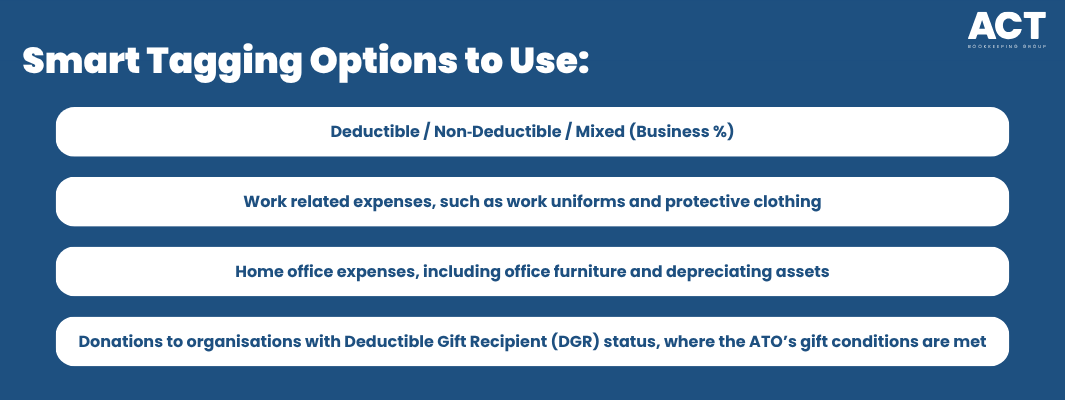
For mixed items, such as your own car used for both work and personal use, you can keep one account but tag each transaction with the business portion. By doing this throughout the financial year, you will know exactly how much you are able to claim. That makes it easier to calculate work related expenses and other costs at the end of the income year.
Why Is Tagging Deductible vs Non‑Deductible at Source So Powerful?
Tagging each expense when it first hits your books means you do not have to guess at tax time. When you tag a cost as deductible, non‑deductible or mixed, you are deciding upfront whether it will reduce your taxable income. This avoids the rush of trying to work out what deductions you can claim months later.
Tagging at source also means your records are much stronger if the ATO asks questions. You can show that each claim is directly related to your work duties or business purposes, backed by receipts and notes. This is especially helpful for areas like travel expenses, home office equipment, and other work-related expenses.
How Do Popular Cloud Systems Support Tagging and Tracking?
Most cloud bookkeeping platforms used in Australia allow you to add tags, tracking categories or custom fields to each transaction. You can use these tools to mark an expense as tax deductible, non‑deductible, or part business and part personal. This gives you flexible reporting that lines up with how income tax deductions work.
You can run reports to see expenses tagged as potentially deductible for the financial year, ready for review by you or your adviser. You can also quickly view non‑deductible costs and make sure they are not included when you claim a deduction. This can help you claim deductions more accurately and reduce the risk of over-claiming.
What Rules Should Your Team Follow When Tagging Expenses?
If you have a team entering expenses, clear rules will keep your records consistent. A simple guideline is that an expense must be directly related to your work duties or business purposes before you can claim it. If a cost has both work and personal use, your team should record the split and only tag the business portion as deductible.
Your policy can also explain how to handle receipts and records. For example, you might ask staff to upload receipts for all work-related expenses and describe the purpose in a short note. This protects you at tax time and makes it easier for your accountant or registered tax agent to check each claim.
How Does This Help at BAS and Year‑End Tax Time?
When expenses are tagged correctly all year, your reports are ready when it is time to lodge your tax return. You can see all the tax deductions you can claim in one place, including work related expenses, home office expenses, and other business expenses. This makes it much easier to reduce your taxable income without missing key items and to organise expenses for bigger tax deductions.
Your accountant or registered tax agent can then review your figures, make sure you meet the eligibility criteria, and check that each claim is directly related to your income and not personal. This helps you claim a deduction correctly and avoid problems later. It can improve the accuracy of your tax outcome and help ensure you do not miss eligible deductions.
We’re more than bookkeeping experts
As part of ACT Tax Group, we offer complete accounting and business advisory services tailored to your needs.
How Do Cloud Tools Handle Common Deduction Areas?
Many people ask, “What deductions can I claim?” because the rules can feel confusing. Cloud bookkeeping helps by grouping similar expenses, which makes it easier to see where different rules apply. For example, home office expenses, own car costs, and self-education each have their own conditions.
You might use the fixed rate method for eligible working-from-home expenses if you meet the ATO’s requirements. You can also track home office equipment, office furniture, and other depreciating assets separately so you can claim them over time or as an immediate deduction when allowed. Tagging these correctly helps you and your adviser decide how to treat them for the relevant financial year and aligns with good record‑keeping for WFH tax deductions.
How Do Interest, Investments and Super Fit into Cloud Tagging?
Interest and investment‑related expenses can also be tagged to help you see which amounts support your assessable income. For example, interest charged on money borrowed to buy an investment property or other investments may be deductible where it is directly related to that income. In contrast, mortgage interest on the home you live in is usually personal and not a deduction. Good records around investments, insurance and super also make it easier to find your lost super fast and follow simple steps to consolidate your super so your retirement savings are working efficiently.
You can also track personal super contributions you may plan to claim as a deduction, subject to eligibility rules, contribution caps, and lodging a valid notice of intent with your fund and receiving acknowledgment. Tagging these clearly makes it easier to check they are lodged correctly and that you meet all conditions, and reduces the risk of excess non‑concessional contributions or going over your concessional cap and needing to deal with what happens if you exceed the super cap. Over time, this helps you use income tax deductions to build wealth and pay less tax in a way that suits your situation.

How Can a Bookkeeper or Accountant Help You Set This Up?
Cloud bookkeeping is powerful, but it works best when you set things up properly and get support when you need it. A bookkeeper or accountant can help you design your chart of accounts, choose the right tags, and make sure your approach aligns with how income tax deductions work. Many businesses benefit from structured support such as Cloud Gold Bookkeeping for simpler accounting and payroll delivered by a qualified BAS agent bookkeeper who understands ATO requirements.
Working with a registered tax agent gives you extra peace of mind that your claims are correct and that you are not missing out on expenses you can claim. They can also help you understand areas such as investments deductions, mortgage interest, super contributions and other work-related expenses, and whether a tax agent or DIY tax return approach is right for your situation based on your Australian resident for tax purposes status. That way, you use cloud bookkeeping to support your decisions instead of guessing.
Using cloud bookkeeping to tag and track deductible vs non‑deductible expenses gives you more control over your tax position and your money. By staying on top of your expenses throughout the financial year and keeping strong records, you can claim tax deductions with confidence and avoid stress at tax time. If you would like help setting up a practical tagging system tailored to your business, would you prefer us to focus first on your chart of accounts or on training you to tag everyday expenses?
