

Published on 18 Sep 2026
Estimating the Medicare Levy as a Sole Trader starts with understanding which financial figures can affect your taxable income and whether other Medicare-related rules apply. Your business turnover alone does not show how much tax you may have to pay because the Medicare levy is generally calculated using taxable income after relevant deductions.
For many sole traders, the challenge is separating business income, personal income and deductible expenses while setting money aside for tax time. Clear bookkeeping throughout the financial year can make it easier to estimate the levy, prepare your tax return and understand whether the Medicare Levy Surcharge (MLS) may also apply.
Financial Figures That May Be Relevant to Your Medicare Levy
To calculate Medicare levy amounts, start with taxable income rather than total business sales. A sole trader reports business income through an individual tax return, so business profit, other income and allowable deductions can contribute to the final taxable income figure, subject to any rules affecting business losses. The Medicare levy is generally 2% of taxable income, although low-income reductions and exemptions may apply. Your income level, family situation and eligibility for an exemption can affect the amount you pay.
Is your taxable income clear before estimating Medicare Levy?
Schedule a complimentary consultation with us today to organise income and deductions into tax-ready records.
Accurate Bookkeeping Creates a Better Starting Point
Good bookkeeping helps you separate turnover from profit and profit from taxable income. These figures are related but not interchangeable and confusing them can lead to an unreliable estimate.
Example: A sole trader may receive $120,000 from customers but incur deductible costs for materials, insurance, software and vehicle use. The Medicare levy would not simply be calculated on $120,000 if taxable income is lower after relevant deductions.
Business Expenses Can Affect the Medicare Levy Estimate
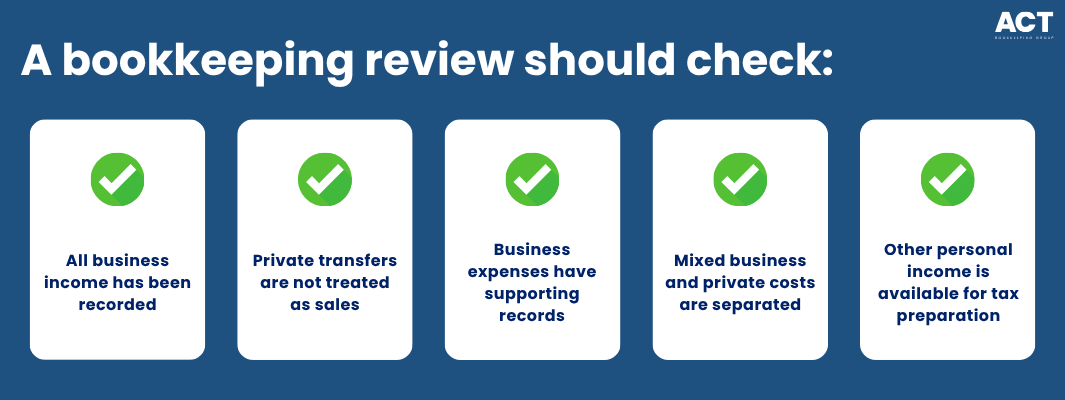
Eligible business expenses may reduce taxable income when your tax position is calculated. Private expenses are generally not deductible simply because they were paid from a business bank account, so accurate record keeping matters. Sole traders should therefore avoid estimating the Medicare levy from annual income before reviewing expenses. Clean accounts help your tax adviser identify the figures that may affect taxable income.
Example: A consultant earns $95,000 in business income and has $25,000 of eligible business expenses. Business profit will differ from turnover, while taxable income may differ again if there is other income or additional deductions.

Income Thresholds Can Affect the Medicare Levy Payable
How much Medicare Levy you pay can depend on whether taxable income sits above or below the applicable income threshold. Low-income thresholds can reduce the amount, while some Australian taxpayers may be exempt because of their personal circumstances. Different rules can apply to a single person, families, single parents and some pensioners. A family income threshold may also change depending on a spouse or dependent child, so your circumstances should be reviewed before relying on a calculator.
The Medicare Levy Surcharge Uses a Separate Calculation
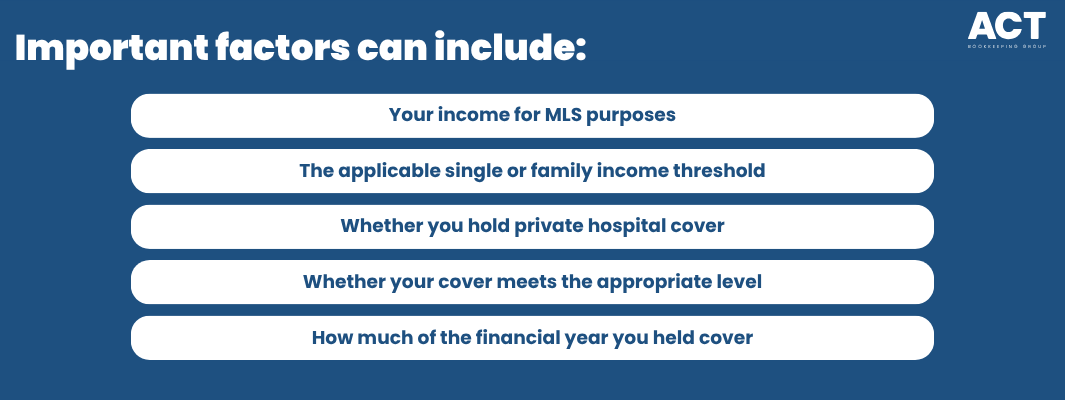
The Medicare Levy Surcharge (MLS) is separate from the standard Medicare levy. You may have to pay MLS for periods when your income for MLS purposes exceeds the relevant MLS thresholds and you, your spouse or dependants do not have an appropriate level of private patient hospital cover. Income for MLS purposes can include more than taxable income. Depending on your circumstances, total reportable fringe benefits, reportable super contributions and net investment losses, including net rental property losses, may also be relevant.
Private Health Insurance Can Affect MLS Obligations
Private health insurance does not generally remove the standard Medicare levy. However, an appropriate level of private patient hospital cover may affect whether you pay the MLS when your income is above the applicable threshold. Basic hospital cover, premiums, excess amounts, the private health insurance rebate and Lifetime Health Cover are separate parts of Australia’s health insurance system. For MLS purposes, appropriate private hospital cover must be provided by a registered health insurer and meet the applicable excess limits.
Example: A sole trader above the relevant MLS threshold may hold extras-only health cover. Extras cover can help with some health costs but does not qualify as private patient hospital cover for MLS purposes.
Updated Records Support More Reliable Tax Estimates
Accurate records help you estimate tax and make year-end preparation easier. They also give your accountant a clearer view of the figures that may affect the Medicare levy or surcharge. Useful records include:
Sales invoices and payment records
Supplier bills and receipts
Bank and credit card reconciliations
Records supporting business deductions
Private health insurance information where relevant
Keeping these records current can reduce last-minute work at tax time and support more reliable estimates.
We’re more than bookkeeping experts
As part of ACT Tax Group, we offer complete accounting and business advisory services tailored to your needs.
How ACT Bookkeeping Can Help with Tax-Ready Sole Trader Records
We can help keep your sole trader bookkeeping organised so your business income, expenses and cash flow are easier to understand throughout the year. Clear records can make it simpler for your tax adviser to calculate taxable income, estimate the Medicare levy and review whether MLS considerations need attention. Our team can also support Business Activity Statement (BAS) preparation, Goods and Services Tax (GST) record keeping, payroll and reconciliations. Book a meeting with ACT Bookkeeping to arrange support with timely bookkeeping, ATO-ready records and practical financial administration.

Reliable Bookkeeping Supports a More Accurate Medicare Levy Estimate
For a sole trader, a useful estimate starts with taxable income rather than turnover. Business income, eligible deductions, other personal income, family circumstances and the applicable income threshold can all affect how much Medicare levy is calculated. The MLS is separate and can depend on income for MLS purposes and eligible private hospital cover. Keeping your bookkeeping accurate throughout the financial year gives you better information for tax planning, while your tax adviser can confirm the final treatment based on your circumstances.
