
Published on 30 Jul 2026
Individual tax rates affect how much income tax a sole trader may need to pay based on their taxable income for the financial year. Because a sole trader is taxed as an individual rather than as a separate company, accurate bookkeeping is important for estimating tax payable and setting aside enough money. Your taxable income is not simply the total income received into your business account. It is generally calculated by combining assessable income from the business with other assessable income, then subtracting allowable deductions. Any applicable tax offset, Medicare levy, Medicare levy surcharge or exemption is considered separately when tax payable is calculated.
How Do Individual Tax Rates Apply to Sole Traders?
A sole trader includes business income and expenses in their individual tax return. The net profit from the business is added to wages, interest, dividends, investments, capital gains and other assessable income to determine the person’s taxable income for tax purposes. Australian residents generally pay tax using progressive income tax rates. This means different parts of taxable income are taxed at different rates, rather than the highest applicable rate being applied to the full amount.
Are you setting aside enough for tax?
Schedule a complimentary consultation with us today to track profit and estimate income tax properly.
Taxable Income | Tax on This Income |
|---|---|
$0 to $18,200 | Nil |
$18,201 to $45,000 | 15 cents for each $1 over $18,200 |
$45,001 to $135,000 | $4,020 plus 30 cents for each $1 over $45,000 |
$135,001 to $190,000 | $31,020 plus 37 cents for each $1 over $135,000 |
$190,001 and over | $51,370 plus 45 cents for each $1 over $190,000 |
The above rates apply to Australian resident individual taxpayers for the 2026–27 income year and do not include the Medicare levy of 2%. Different tax rates and special rules apply to foreign residents and working holiday makers, while temporary residents may receive different treatment for certain foreign sources of income.
Accurate Bookkeeping Clarifies Taxable Income
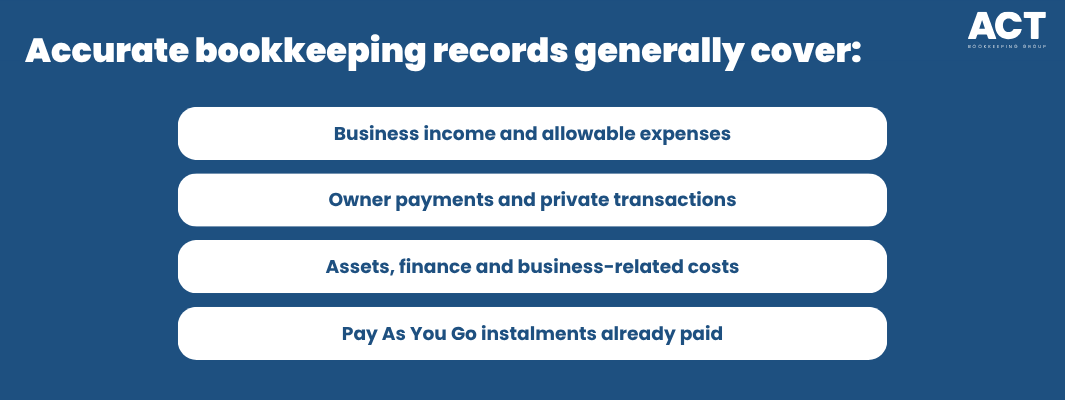
Bookkeeping helps separate taxable business activity from transfers, private spending, loan funds and other payments that may appear in the same account. This gives you a clearer view of income, expenses and profit before the final tax return is prepared. Without current records, you may estimate income tax from sales or the balance in your bank account. These figures can be misleading because they may include Goods and Services Tax, personal money, unpaid costs or amounts that are not treated as assessable income.
Why Can Tax Estimates Change During the Financial Year?
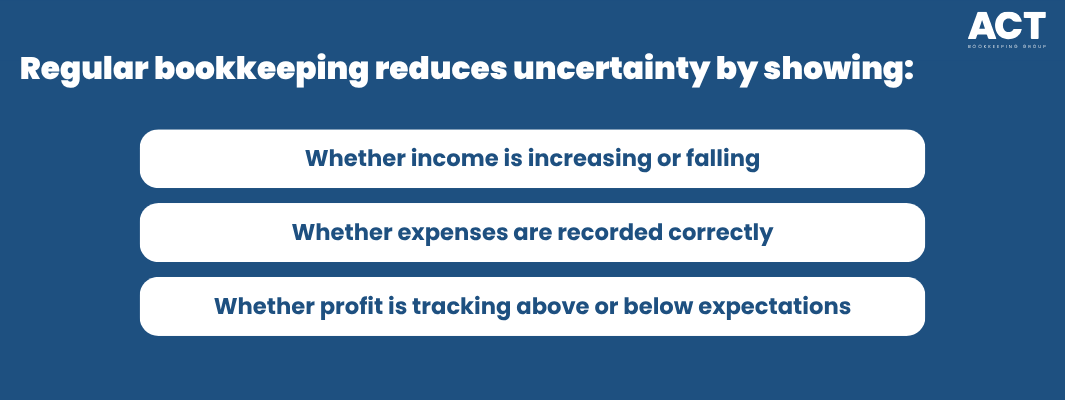
A tax estimate can change when business income, deductions or other income differs from what was expected. Changes in salary, interest, dividends, capital gains or income from foreign sources can affect the taxpayer’s taxable income and the applicable tax rates. The final amount may also depend on adjustments made when the tax return is prepared. Certain expenses may not be fully deductible, capital purchases may be treated differently from everyday expenses, and special rules apply to some types of income and deductions.
The Medicare Levy Can Affect Tax Payable
Tax estimates should generally include the Medicare levy as well as Australian income tax. Australian residents for tax purposes generally pay a Medicare levy of 2% of taxable income unless they qualify for a reduction or exemption. The Medicare levy surcharge is a separate amount that may apply when a person’s income for Medicare levy surcharge purposes exceeds the applicable threshold and they do not have an appropriate level of private patient hospital cover. The threshold and rate depend on the income year, family circumstances and other applicable rules, so professional advice may be needed.
Bookkeeping does not determine whether an exemption or surcharge applies. However, reliable income records give your tax adviser a stronger starting point for calculating the amount that may be payable.
Tax Offsets May Reduce the Final Amount
A tax offset reduces tax payable after income tax has been calculated. The low-income tax offset may be available to eligible low-income earners, depending on their taxable income and the rules applying to that income year. An offset is different from a deduction. A deduction reduces taxable income, while a tax offset reduces the calculated tax amount, subject to eligibility and any limits. Keeping complete records supports accurate claims and reduces the chance of relying on an offset or deduction that may not apply. Your final position should be confirmed through the tax return process.
Capital Gains and Other Income Need Careful Recording
Capital Gains Tax (CGT) forms part of income tax rather than being a separate tax. Capital gains may be reduced by capital losses and any applicable discount or concession, with the resulting net capital gain included in assessable income and taxed at the applicable individual tax rates. Sole traders should also keep records for unearned income such as interest, dividends and investment returns. Income from foreign sources may also need to be included, although special rules apply depending on residency, the country involved and the type of income.
Clear bookkeeping helps your tax adviser identify business activity, capital transactions and other income without mixing them together. This supports a more complete calculation and helps reduce errors caused by missing information.
Regular Reviews Support Better Tax Planning
Monthly or quarterly bookkeeping gives you a current profit figure that can support more useful tax estimates. Instead of relying on the previous income year, you can review actual income and expenses and update the amount you expect to pay. A practical review should consider year-to-date profit, other income, deductions, tax instalments and any major transactions. It should also account for changes in employment income, investment activity or business costs, including any obligations to withhold and remit tax under PAYG withholding for employees. Records should reflect what actually happened and comply with Australian Taxation Office requirements.
We’re more than bookkeeping experts
As part of ACT Tax Group, we offer complete accounting and business advisory services tailored to your needs.
PAYG Instalments Help Spread Income Tax Payments
Pay As You Go (PAYG) instalments are regular payments made during the financial year towards expected income tax on business and investment income. The Australian Taxation Office may automatically enter an individual taxpayer into the system after assessing a tax return when all applicable entry thresholds are met. Bookkeeping helps you compare Pay as You Go instalments with current business performance. This can provide an early indication that the amount being paid may no longer align with the expected taxable income, allowing time to consider options such as setting up or adjusting an ATO payment plan.
Any decision to vary a PAYG instalment should be considered carefully. If varied instalments are less than 85% of the total tax payable on instalment income for the income year, the taxpayer may need to pay the shortfall, a General Interest Charge and, depending on the circumstances, penalties for missed PAYG instalments.
How ACT Bookkeeping Can Help with Sole Trader Tax Estimates
We help sole traders keep accurate, organised and timely records throughout the financial year. Our team can reconcile accounts, record income and expenses, track payments and prepare clear reports for tax and compliance purposes. Reliable bookkeeping gives you and your tax adviser better information for estimating taxable income, reviewing tax payable and preparing the individual tax return. Book a meeting with ACT Bookkeeping to arrange a bookkeeping schedule that supports practical tax estimates and day-to-day financial control.

Build Better Estimates from Reliable Records
Individual tax rates are only one part of calculating the amount a sole trader may need to pay. Taxable income, deductions, the Medicare levy, tax offsets, capital gains and other income can all affect the final result. Keeping your bookkeeping current helps you understand business profit, prepare for payments and provide accurate information at tax time. It also reduces the pressure of trying to rebuild a full financial year of records close to a lodgement deadline. Review your accounts regularly and seek professional advice where your income, residency, investments or personal circumstances may affect the result.
