
Published on 16 Apr 2026
Setting up a new Pty Ltd in Xero: chart of accounts, tracking and user access tips is a key step in getting your business structure and software working together from day one. When you move from sole trader to a Pty Ltd company, you are shifting to a proprietary limited company that is a separate legal entity with its own debts, tax obligations and legal responsibilities. Getting Xero right helps protect your personal assets, clarifies financial responsibility and supports compliance with Australian laws like the Corporations Act 2001 and Australian Taxation Office requirements.
What Does Pty Ltd Mean?
A Pty Ltd structure is the most common type of private company for small businesses, medium-sized businesses and growing Australian businesses and growing Australian businesses, because it offers limited liability and stronger professional credibility than trading as an individual. This means the company is legally separate from you, with its own company name and Australian Company Number (ACN), and usually its own Australian Business Number (ABN) if it is carrying on business. It may also have a registered business name if it trades under a name different from its company name, so you are usually not personally liable for company debts.
Worried your new Pty Ltd Xero file isn’t set up correctly?
Schedule a complimentary consultation with us today to set up a clean chart of accounts, tracking and user access that meets ATO and ASIC requirements.
What Chart of Accounts Setup Do Pty Ltd Companies Need?
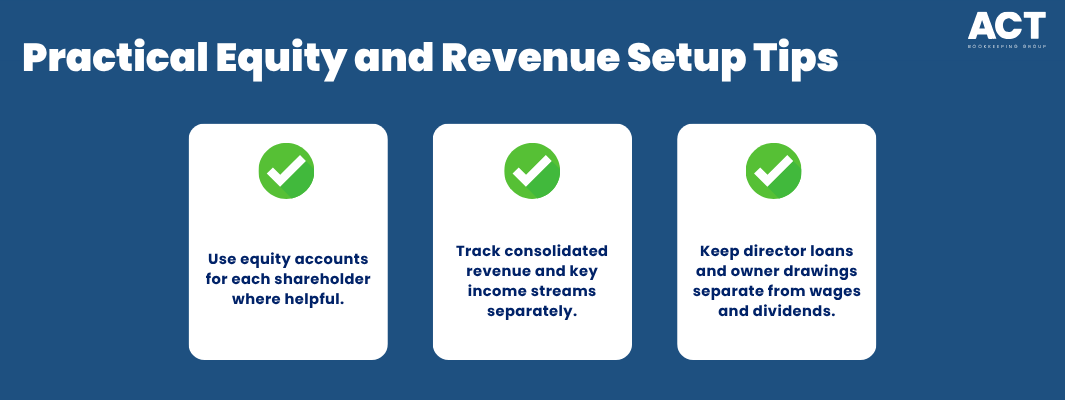
A new Pty Ltd Xero file should start with a clean chart of accounts designed for a proprietary company, not reused from a sole trader file, because sole traders and companies have different tax obligations and reporting requirements. You will need specific equity accounts for share capital, retained earnings, and director-related balances so your company documents and reports reflect the company type and legal obligations. This is important because a Pty Ltd company is a separate legal entity, so money for the business owner and money for the company must be tracked separately.
You should include liability accounts to track company debts, loans and unpaid amounts, instead of mixing them with personal expenses. Clear, simple account names make it easier to see your main benefits, tax-deductible costs and corporate tax rate calculations, and to check whether your business might qualify for the lower 25% company tax rate. A good setup from day one reduces the risk of business debts being coded incorrectly and helps you meet ongoing obligations like BAS and tax returns.
How Should a Pty Ltd Chart of Accounts Handle Structure and Legal Status?
Because a proprietary limited company is legally separate, the company finances must show how much has been invested and what is still owing. Your share capital account tracks money or assets invested in exchange for shares, including any partly paid shares or unpaid capital. This matters for legal documents, future selling shares and when you raise capital from new investors.
You also need Xero accounts that reflect how your company could grow into a small proprietary company or a large proprietary company, based on the current size tests for consolidated revenue, consolidated gross assets and number of employees. This becomes important if the Corporations Act 2001 reporting rules change your obligations as the business grows. Having this structure helps you compare future scenarios such as staying private or one day considering a public company listing on a stock exchange like the Australian Securities Exchange (ASX).
How Do Tracking Categories Benefit a New Pty Ltd Setup?
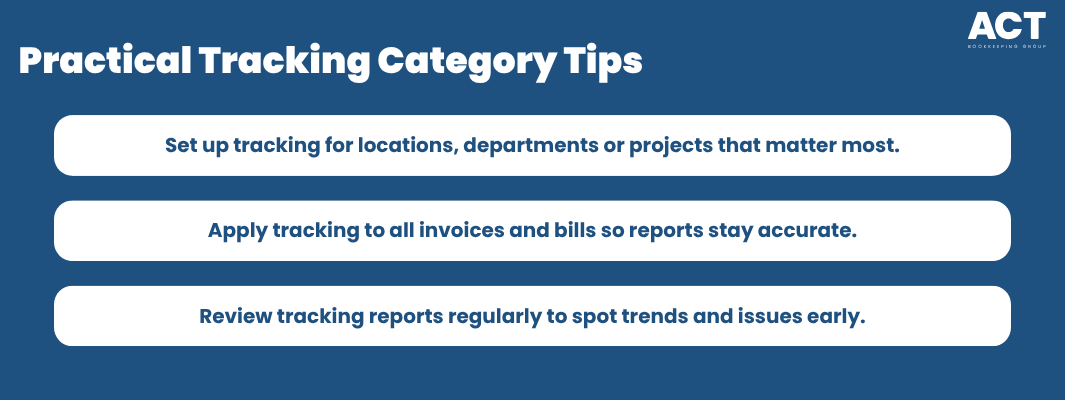
Tracking categories in Xero give you extra detail without cluttering the chart of accounts. They help you see performance by product line, location, or service type for your company while keeping all company documents consistent. For example, a proprietary limited company in the mining industry might track different sites, while a service provider tracks different service lines.
For small proprietary companies and medium businesses, tracking categories make it easier to compare how each part of the business performs and where to cut costs or improve margins. You get clearer views of performance by branch, team, department or service line, which supports better decisions and makes ongoing obligations like budgets and cash flow forecasts easier to manage. This also helps demonstrate professional credibility to banks and investors and shows you are using cloud bookkeeping tools effectively.
How Do User Roles in Xero Support Limited Liability and Legal Obligations?
User roles and access in Xero help protect your limited liability by controlling who can approve payments, change settings or edit key company documents. Because a Pty Ltd is a separate legal entity, at least one director must take responsibility for systems and controls, but that does not mean everyone needs full access. Separating duties can reduce the risk of errors and inappropriate changes.
You can set different roles for directors, internal team members and external advisors so they only see what they need to perform their role, and you can also add an adviser to your Xero file with specific permissions. This supports the Corporations Act 2001 and ASIC requirements by showing that the company has systems in place to manage business finances properly. It also protects the business owner from staff making changes that could affect legal obligations and financial responsibility.
What Does Pty Ltd Mean for Your Business Structure and Risk?
To understand what Pty Ltd means, think of your Pty Ltd company as its own person in the eyes of the law. It is a proprietary company, a private company with limited liability, which means owners are generally not personally liable for company debts beyond their investment and any unpaid capital. This is a key reason companies benefit from switching out of a sole trader model.
The Corporations Act 2001 explains the key differences between a Pty Ltd company and other structures such as an unlimited company or a foreign company. In a standard Pty Ltd registration, the company can have no more than 50 non-employee shareholders and must have at least one director. This structure is a cost-effective option for Australian businesses that want asset protection and room to grow.

How Does a Pty Ltd Compare with a Public Company or Other Company Types?
A proprietary limited company is different from a public company, which can list on a stock exchange and invite public investment. A public company can access wider markets through platforms like the Australian Securities Exchange (ASX) but has more complex reporting and legal obligations. A Pty Ltd is not usually listed and is restricted in how it can raise capital.
There are other structures like unlimited company and foreign company, but for most local small business owners, a Pty Ltd remains the common structure. It provides a balance of flexibility, professional credibility, simpler reporting and protection of personal assets. Understanding these key differences helps you choose the right business structure before you even open your Xero file.
How Do Tax Obligations and ASIC Rules Tie into Xero Setup?
Your Xero setup needs to support both Australian Taxation Office (ATO) and Australian Securities and Investments Commission (ASIC) requirements, as part of your broader business tax obligations in Australia. That includes capturing income at the correct corporate tax rate, tracking GST and other tax obligations, and keeping audit-ready records. Correct coding of share capital, loans, and director payments is essential so that you are not accidentally personally responsible for misreported figures.
ASIC requires companies to keep proper records and meet ongoing obligations such as notifying changes to officeholders, addresses or company details. Xero becomes a central record that supports these duties and helps your accountant manage lodgements and annual review requirements, alongside your other superannuation and SGC record-keeping obligations. Good records also support future company forms, like selling shares or bringing in partners.
We’re more than bookkeeping experts
As part of ACT Tax Group, we offer complete accounting and business advisory services tailored to your needs.
Why Choose ACT Bookkeeping to Set Up Your Pty Ltd Xero File?
When you choose ACT Bookkeeping as your service provider, we help you align your Pty Ltd Xero setup with your legal status, risk profile and growth plans. We explain what Pty Ltd means, how limited liability works in practice, and how to avoid common mistakes that blur personal and company spending. Our goal is to give you peace of mind so you can focus on running the business.
We work with small proprietary companies, large proprietary companies and growing Australian businesses across different industries, including the mining industry and professional services. We help you set up the chart of accounts, tracking and user access, and we stay with you to manage business finances and ongoing obligations. You get a partner who understands both the software and the law.

Conclusion
Setting up a new Pty Ltd in Xero with the right chart of accounts, tracking and user access is one of the most important early steps in protecting your personal assets and building a strong business structure. You get clearer records, better control over company debts, and a cleaner line between your money and the company’s money.
If you are thinking about moving from sole trader to Pty Ltd or starting a new proprietary limited company, our team at ACT Bookkeeping is here to help. Reach out and we can walk you through company setup, Xero configuration and your next practical steps so you can trade with confidence.
Frequently Asked Questions
Can I Still Be Personally Liable if I Have a Pty Ltd Company?
A Pty Ltd gives limited liability, but directors can still be personally liable in some situations. For example, if you trade while insolvent or mix business and personal spending, your personal assets may still be at risk. Your position can also change if your Australian residency for tax purposes status shifts. Good Xero setup and advice help you keep business debts clearly separate from private costs.
How Many Shareholders Can a Pty Ltd Have?
A standard proprietary limited company can have up to 50 non-employee shareholders, making it a flexible option for families and private investors. This allows you to raise capital without becoming a public company. Clear company documents and Xero records make share changes easier to manage.
Is a Pty Ltd Structure Cost Effective for a Small Business?
For many owners, a Pty Ltd structure is cost-effective because the extra annual fee and compliance are balanced by asset protection and tax planning options. It also supports better professional credibility with banks, clients and suppliers. Xero helps you manage these ongoing obligations, including setting up and monitoring ATO payment plans for tax debts, without drowning in paperwork.
